Gutters are a vital part of every building, yet they are often ignored until a serious problem appears. When they become blocked with moss, leaves, sludge or trapped debris, they cannot move water away from the building as they should. This leads to rainwater spilling over the edges and running down walls, soaking into brickwork, entering cavities and affecting roof timbers. Many homeowners and property managers only realise something is wrong once visible damp patches appear inside. Understanding how blocked gutters cause wet and structural issues is the first step in preventing costly repairs. The same problems occur with clogged gutters: they can lead to damp, fill with debris, cause moisture damage, and obstruct gutters, all of which put the building’s structure at risk if not dealt with promptly.
Why Gutters Matter More Than Most People Realise
The Role Gutters Play in Protecting the Building
Gutters control the movement of rainwater and prevent it from seeping into places where it should never reach. When they work well, water is easily guided away from the roofline, walls, and foundations. Most property owners give little thought to this system because it sits overhead and quietly carries out its job. Problems arise the moment this system becomes obstructed. A blocked gutter cannot drain, so water overflows and begins to soak the surfaces it usually avoids. The damage is not instant, but the gradual effect of constant moisture can be severe.
How Water Damage Begins Around the Roofline
Once water starts running over the gutter, the soffits, fascia boards and roof edges are the first components to be affected. Timber absorbs moisture quickly, and once it becomes damp, it begins to swell and weaken. Paint may peel, boards may rot, and in severe cases, these elements may start to detach from the building. Roof tiles near the gutter line often remain wet for extended periods and may shift, break, or allow water to seep beneath them.
How Blocked Gutters Lead to Damp Inside the Property
The Path Water Takes When Gutters Overflow
Understanding how blocked gutters cause damp and structural issues means following the journey water takes once it leaves the guttering system. When rain spills over the side, it flows down the exterior wall rather than through the downpipe. Modern homes with cavity walls can still suffer from water bridging the gap and finding its way indoors. Older solid-wall properties absorb moisture even faster, drawing water directly through the structure.
Rising Damp, Penetrating Damp and Mould Growth
Overflowing gutters often lead to both penetrating and rising damp, and penetrating damp occurs when water enters through cracks, gaps, or porous surfaces. Rising damp occurs when moisture at the base of the wall increases through the internal structure. Both lead to peeling paint, plaster damage, discoloured patches and a persistent damp smell. Moisture trapped behind wallpaper or plaster creates the ideal environment for mould growth. Black mould spreads quickly and is known to cause breathing problems, allergic reactions, and health concerns for anyone inside the building.
The Hidden Impact on Insulation and Internal Materials
Once moisture gets inside, it affects far more than just the walls. Loft insulation becomes wet and loses its ability to regulate heat. This results in a colder home and higher energy bills. Timber joists and internal wall studs may begin to rot or soften. Over time, this weakens the building and leads to costly repair work. Electrical systems running through damp walls may also become unsafe.
How Structural Damage Develops Over Time
The Effect on Bricks, Mortar and Render
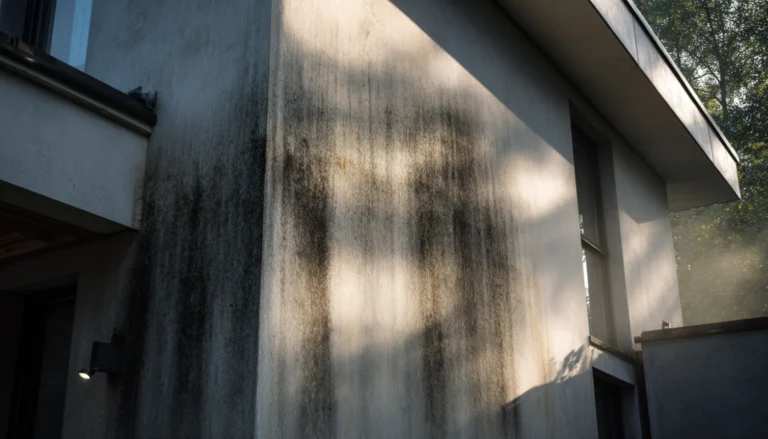
Constant moisture caused by overflowing gutters begins to break down exterior materials. Bricks start to absorb large amounts of water, especially in cold weather, when repeated freezing and thawing cause cracking. Mortar joints may crumble, allowing even more water into the cavity. Rendered buildings are just as vulnerable. Render discolouration, algae growth, and staining are common signs that water from the guttering is running down the walls rather than draining away.
Foundation Problems Caused by Poor Drainage
Few people realise that how blocked gutters cause damp and structural issues also extends to the base of the property. When water continually pours directly down the wall, it pools around the foundation and begins to soak into the ground. This increases soil movement, potentially leading to small shifts in the building’s footing. Over time, this causes cracks, uneven floors and even movement in the main structure. Homes built on clay-heavy soil face an even greater risk due to the way clay expands and contracts when wet or dry.
Damage to Driveways, Paths and External Areas
Water overflowing from gutters may also damage driveways, patios and garden paths. Block paving shifts, slabs lift, moss grows faster, and surfaces become slippery. Tarmac softens when exposed to constant moisture. These issues not only affect appearance but also create hazards for homeowners and visitors.
The Link Between Blocked Gutters and Roof Problems
How Moisture Reaches the Roof Structure
When gutters cannot drain water, the roofline is under constant strain. Water backing up into the gutter may begin to sit beneath the first row of tiles. This introduces moisture into the underfelt, supporting timber and even the loft space. Damp rafters weaken, screws corrode, and roof fixings lose strength. Over time, sections of the roof may sag or fail, leading to costly repairs.
Why Overflowing Gutters Encourage Moss Growth
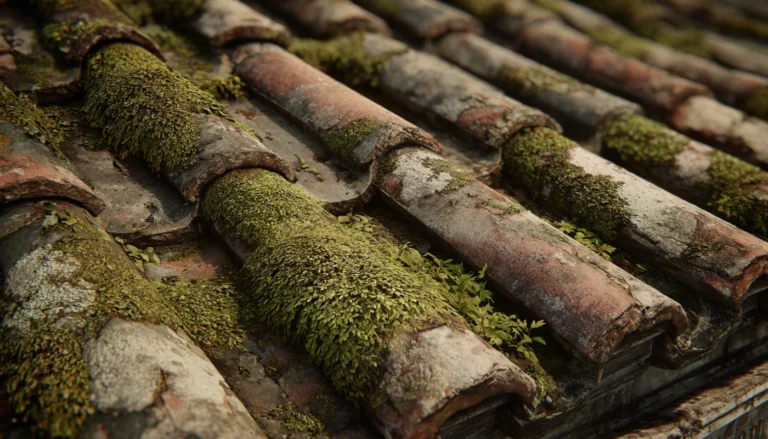
Moss thrives in moist conditions, and blocked guttering creates the perfect environment for it to grow. Once moss begins to spread across tiles, it retains water for long periods, accelerating tile decay. It also washes into the gutter and forms additional blockages, worsening the original problem. This cycle continues until the roof requires cleaning or repair.
Blocked Gutters and the Impact on Commercial Buildings
How Businesses Suffer from Poor Gutter Maintenance
Commercial buildings have larger roof areas, so they collect even more rainwater. When gutters become blocked, the volume of overflow increases rapidly, placing the building’s structure at risk. Water entering a commercial building can damage stock, equipment and internal finishes. Business owners may face lost revenue, higher insurance claims and disruption to daily operations.
The Importance of Planned Maintenance for Large Sites
Industrial units, offices, schools and public buildings often have complex guttering systems. These include wide gutter channels, internal gutters and high-level drainage that must remain clear. Regular inspection helps prevent issues long before they become visible. For managed properties such as apartment blocks, neglected gutters often lead to disputes, unexpected repair bills and long-term damage for residents.
How to Spot the Early Signs of Gutter Problems
Visible External Indicators
Properties often show early warning signs before significant damage occurs. Streak marks down walls, sagging gutters, plants growing in the guttering and patches of algae beneath the roofline are all clear signals that water is escaping. Render that becomes stained or patchy often indicates that water is consistently running down the wall from above.
Internal Warning Signs
Inside the property, watermarks around window frames, peeling wallpaper, bubbling paint and damp corners often suggest that gutter problems are the cause. Homeowners may notice a musty odour, especially after rain. If these signs are ignored, the damage becomes far worse and much more expensive to put right.
Why Regular Gutter Cleaning Prevents Damp and Structural Damage
The Value of Routine Gutter Maintenance
Understanding how blocked gutters cause damp and structural issues underscores the importance of regular cleaning. Preventing a blockage is far easier and cheaper than repairing the damage it creates. Clean gutters move water away from the building, protect the roof and walls, and reduce the risk of internal damp.
How Professional Cleaning Helps
Professionals use the right equipment to reach high guttering safely, remove all debris and ensure that water flows correctly through the system. They can also check for cracked joints, loose brackets and early signs of roof or wall damage. A proper clean once or twice a year is enough to keep most properties safe.
Why Blocked Gutters Should Never Be Overlooked
Blocked gutters might seem like a small problem, but the damage they cause can be extensive. Overflowing water leads directly to interior damp, mould, broken rooflines, weakened walls and structural movement. It affects both homes and commercial sites and often remains hidden until major repairs are needed. Understanding how blocked gutters cause damp and structural issues allows property owners to take timely action and avoid costly damage. Clean, free-flowing gutters keep water under control, protect the structure, and ensure the building stays safe, dry, and stable in the long term.