Rendered walls can transform the look of a home or commercial property, but they also need the proper care to stay clean, bright and protected. Many owners only realise something is wrong when the problem becomes too noticeable to ignore. Understanding the signs your render needs cleaning or treatment helps you act early and avoid costly repairs. The same applies when looking for the warning signs your render needs attention, checking for indicators that render requires cleaning, or learning how to spot render that needs treatment. Render may seem harsh and weather-resistant, but it absorbs moisture, attracts organic growth, and reacts to its environment. When the surface begins to change colour, develop staining or show signs of deterioration, it is often a sign that it needs prompt care.
Why Render Needs Ongoing Care
How the Weather Affects Render Over Time
Render is constantly exposed to the elements. In the UK, constant rain, wind, shade and moisture give algae and staining the perfect conditions to develop. Even high-quality render systems such as K-Rend and Monocouche will gradually change in colour when exposed to damp conditions for long periods. South-facing walls dry faster but can fade due to constant UV exposure. North-facing walls retain moisture, so they often develop green algae sooner. Understanding how the weather shapes the surface helps explain many early warning signs.
Why Modern Render Shows Dirt Easily
Modern through-coloured render is designed to keep a bright finish without needing repainting. However, its porous structure retains moisture and airborne particles. When moisture stays on the surface, algae, mould and discolouration begin to form. Traffic pollution, dust, pollen, and rust streaks may also cling to textured render. This is why many homes and commercial buildings develop stains that are hard to remove without specialist cleaning.
Algae, Moss and Green Staining
How Organic Growth Starts
Green staining is one of the most common issues seen on rendered homes. It starts when moisture becomes trapped in the render’s tiny pores. Algae spores in the air settle on the damp surface and begin to grow. Once it appears, it spreads quickly, especially during wet months. Shaded areas, north-facing walls and properties near trees or vegetation are more likely to suffer.
Why Green Staining Means the Render Needs Cleaning
Green algae may look minor at first, but it shows that moisture is sitting on the render far longer than it should. Moisture encourages more algae, which then holds even more water. This cycle leads to a surface that stays damp, weakens over time and becomes harder to clean. When you see green staining creep across a wall, it is one of the most evident signs your render needs cleaning or treatment.
When Moss Becomes a More Serious Problem
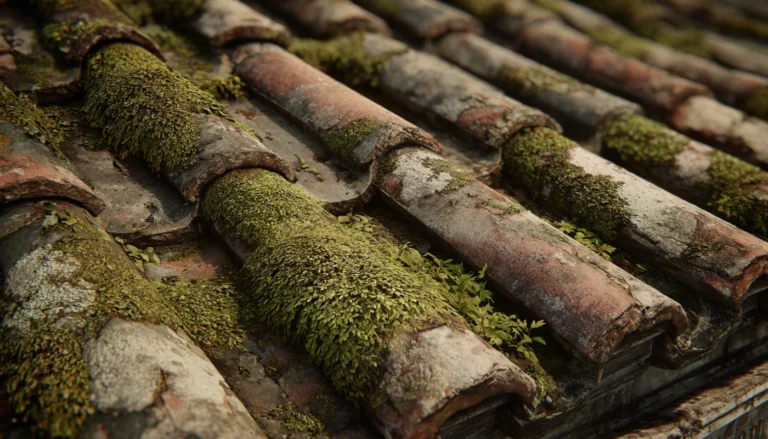
Moss grows thicker than algae and holds more water. It often appears in cracks or textured areas. As it expands, it forces moisture deeper into the wall, potentially leading to structural issues. Moss is a sign that the render has reached a point where specialist softwashing or steam cleaning is needed to avoid long-term damage.
Red and Black Staining
Why Red Stains Develop on Render
Red staining is caused by a type of algae that thrives in humid, coastal or damp environments. It grows faster on rough or textured render surfaces and can be difficult to remove without a specific treatment. Red algae spreads in patches and is often seen on walls that receive limited sunlight.
What Black Stains Mean for the Building
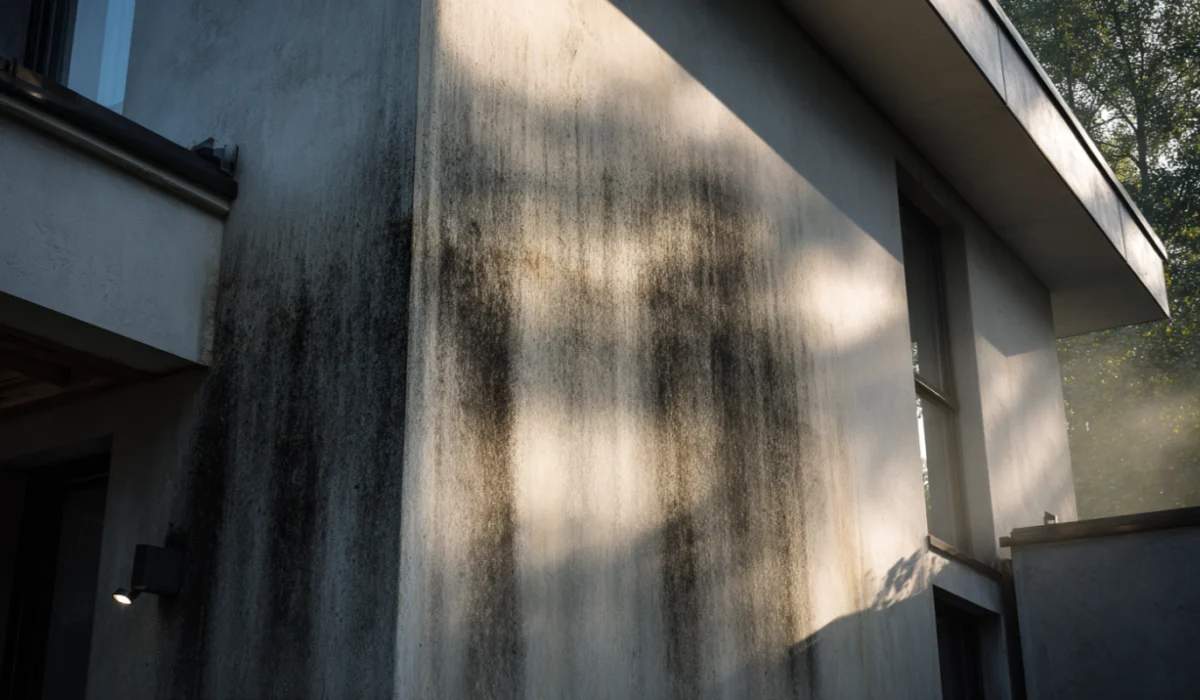
Black staining is often caused by mould or heavy organic growth, but can also result from soot, traffic pollution, or water runoff from the roof. Black patches that spread vertically beneath gutters are often a sign that water is overflowing. When black staining appears across vast areas of the render, it is a strong indicator that the surface needs a complete softwash treatment to remove deep-rooted contamination.
Discolouration and Patchy Colour
How Render Begins to Fade
Render fades over time due to UV exposure and constant moisture. Through-coloured render does not peel like paint, but its shade can dull gradually. When the colour begins to look patchy, this often means that some areas are holding more moisture than others.
What Patchy Discolouration Tells You
Patchy colour changes warn you that the render is ageing unevenly. Some sections may dry faster, while others stay damp. Dirt gathers in these damp spots, making the wall look uneven. This is one of the more subtle indicators that render requires cleaning, and early treatment prevents deeper staining.
Cracks and Surface Deterioration
How Cracks Form on Modern Render
Render can crack for several reasons; changes in weather cause the surface to expand and contract. Buildings settle over time, which puts pressure on the render. Strong winds and driving rain also contribute. Once cracks form, water begins to enter them, accelerating deterioration.
Why Cracks Mean You Must Act Quickly
A small crack becomes a much larger problem if ignored. Moisture travels through the crack, weakens the render and causes algae to grow inside it. The surrounding area becomes stained, and the crack expands. This is one of the most important signs your render needs cleaning or treatment, because cleaning alone may not solve the problem if moisture has already reached the inner layers.
Rust Stains and Water Marks
Why Rust Stains Appear
Rust staining often develops beneath metal fixtures such as brackets, bolts, vents or rails. When these fixtures corrode, they release rust that runs down the render, leaving dark streaks. These stains can be stubborn and may require specialist cleaning solutions.
What Water Runoff Marks Reveal
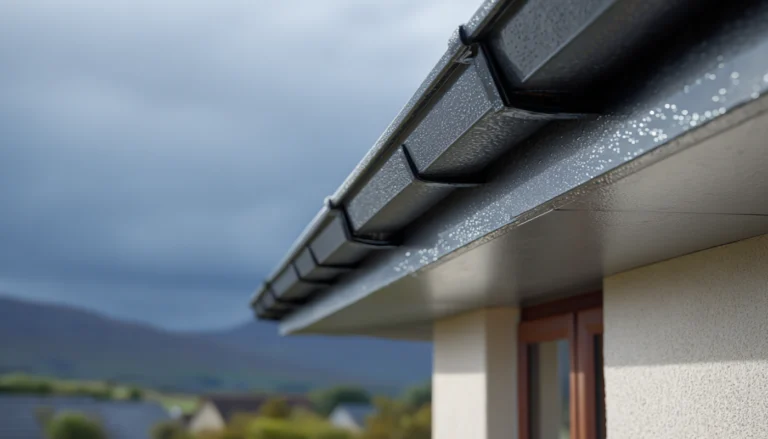
Vertical streaks running down a rendered wall often show that water is escaping from the roofline or guttering. Overflow from blocked gutters, leaking downpipes or defective joints frequently leads to dark marks that spread across the surface. These streaks are more than cosmetic; they show that the drainage system above the wall needs attention as well.
Crumbling or Eroding Render
How Render Begins to Break Down
When render stays wet for long periods, it begins to soften. Repeated freezing and thawing during winter causes the surface layer to crumble. Once erosion starts, the underlying layer becomes exposed and absorbs even more moisture. This creates a cycle that speeds up damage.
How This Leads to Larger Repairs
Crumbling render must be treated quickly because the problem spreads. Damp render loses its strength and may detach from the wall. This can lead to structural issues, internal damp and expensive repair work. When render begins to erode, it is a clear sign that the surface needs treatment to prevent further damage.
Hard-to-Clean Dirt and Pollution Stains
How Air Pollution Affects Render
Properties near busy roads, industrial areas or commercial sites often develop dark pollution marks. Exhaust fumes, soot and dust slowly attach themselves to damp render. These deposits become embedded in the surface and are difficult to remove with basic cleaning.
Why Pollution Stains Require Specialist Cleaning
Pollution staining often requires steam cleaning or specific softwash treatments. Harsh chemicals should never be used because they can damage the render’s protective layer. When pollution stains cover large areas, it is one of the most evident signs that your render needs cleaning or treatment.
Efflorescence: White Powdery Deposits
How Efflorescence Forms
Efflorescence appears as white, chalky deposits on the surface. It forms when salts inside the render dissolve in water and travel to the surface. When the water evaporates, the salts crystallise, forming a white coating.
What Efflorescence Means for the Building
Efflorescence shows that moisture is moving through the render. This may be due to leaks, damp walls or blocked drainage. While the white deposits can often be removed, the underlying moisture issue must also be addressed.
The Role of Softwashing in Render Care
Why Softwashing Works for Render
Softwashing is explicitly designed for delicate materials such as render. It uses low-pressure and specialist cleaning solutions that break down organic growth without damaging the surface. This method reaches deep into the pores of the render, removing spores and staining at their roots.
Why High Pressure Should Never Be Used
Pressure washing may clean the surface quickly, but it can strip away the render’s outer layer, leave marks, and force water into cracks. This leads to long-lasting damage. Softwashing avoids these risks and gives a cleaner, longer-lasting finish.
When Your Render Needs Treatment Rather Than Just Cleaning
How to Tell the Difference
Cleaning removes surface dirt and organic growth. Treatment goes deeper and deals with the cause of the problem. If algae returns quickly, if stains keep reappearing or if the render feels soft or crumbly, the surface needs more than a clean.
Why Long-Term Protection Matters
Some render types benefit from protective treatments that slow down future staining. Biocide treatments help keep algae at bay, while water-repellent coatings reduce moisture absorption. When render shows repeated signs of deterioration, treatment prevents ongoing damage and keeps the property looking fresh.
What Happens If Render Problems Are Ignored
How Minor Issues Become Major Repairs
Small patches of algae, cracks or staining may seem harmless, but they often grow faster than expected. Once moisture reaches the deeper layers, the damage spreads beyond the surface. Large sections of render may eventually need replacing, and internal damp becomes a risk.
The Impact on Appearance and Property Value
Dirty or stained render makes a property look neglected. This affects first impressions and can reduce the value of a home or commercial building. Clean renderings improve kerb appeal and help maintain a professional image for businesses and managed sites.
Keeping Render in Good Condition for Years to Come
Render is a durable material, but it needs the proper care to stay clean, bright and protected. Understanding the signs your render needs cleaning or treatment, recognising the warning signs your render needs attention, spotting indicators that render requires cleaning, and knowing how to spot render that needs treatment all help you act before severe damage occurs. From algae and staining to cracks, erosion, and moisture problems, each sign indicates that the render needs expert support. With regular cleaning, softwashing, specialist treatments and simple ongoing care, your render can stay in excellent condition for many years.