Many homeowners notice moss on their roof and assume it is a harmless layer of greenery. In reality, it can lead to serious issues when left untreated. Understanding whether moss growth on roof tiles is really a problem is the first step in protecting your home. The same concerns apply to moss build-up on your roof, roof moss problems, and moss affecting your roof structure. Although moss may seem soft and light, it has a significant impact on tiles, drainage, and the overall condition of the building below. Knowing what it does, why it grows, and how to deal with it safely can help prevent costly repairs later.
Why Moss Grows on Roofs
The Conditions That Help Moss Spread
Moss thrives in damp, shaded, and cool conditions. Roof tiles that face north or receive limited sunlight often stay wetter for more extended periods. As moisture sits on the surface, moss spores begin to settle and grow. Older roofs, or those made from porous materials such as clay or concrete, hold water more easily and become a perfect home for moss. In Wales, where rainfall is frequent and humidity is high, the conditions for moss growth appear almost all year round.
Why Certain Properties Suffer More Than Others
Two homes on the same street can have completely different levels of moss. This is because minor changes in shade, tree cover, building design, and roof pitch affect moisture retention. A roof with overhanging branches will collect leaf debris and moisture, which can encourage moss to spread. Properties surrounded by trees, hills, or tall buildings often dry far more slowly than those exposed to direct sun and wind. Older roofs with cracking tiles or weathered surfaces also attract moss more quickly.
How Moss Damages Roof Tiles
The Hidden Weight That Builds Up Over Time
Although moss appears light and soft, it absorbs large amounts of water. When it becomes saturated, it holds enough moisture to weigh down tiles. Over time, this puts stress on the structure beneath. Shingle and slate roofs are particularly vulnerable because the weight can cause shifting or lifting. Clay and concrete tiles may also loosen as the underlying structure weakens from repeated moisture exposure.
Frost and Water Damage Caused by Moss
In cold weather, the water held within moss freezes and expands. This movement forces tiny cracks in roof tiles to widen. Once these cracks grow, water enters the tile and breaks it down from the inside. When this cycle repeats through winter, entire sections of the roof may begin to fail. Tiles break, become brittle, or lose their seal with surrounding tiles. Moss may then fill these new gaps and hold even more moisture, creating a repeating cycle of damage.
How Moss Shortens the Life of Roof Coverings
A roof that has been covered in moss for several years often shows signs of ageing far earlier than expected. Tiles become rough, crumbly, or weak. Protective surface coatings break down. Once the tile surface loses its protective layer, it becomes much easier for moss to attach and regrow. This is why homeowners often see moss return faster each time it appears. Without proper treatment, tiles may need to be replaced long before their expected lifespan ends.
How Moss Affects Drainage and Gutters
Water Flow Disruption
Roofs are designed to shed rainwater smoothly into the gutters. When moss takes hold, it creates blockages that disrupt this process. Water may pool on the roof surface rather than flowing away. This moisture encourages further moss growth and puts constant pressure on the roof covering. Standing water is one of the leading causes of leaks and internal damp.
Gutter Blockages and Overflow Problems
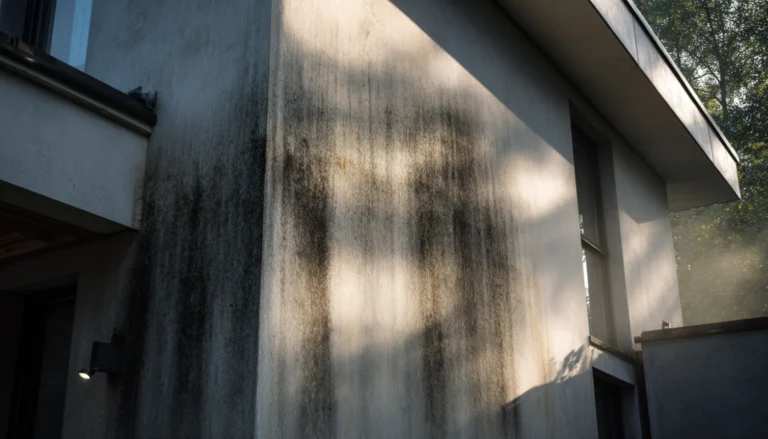
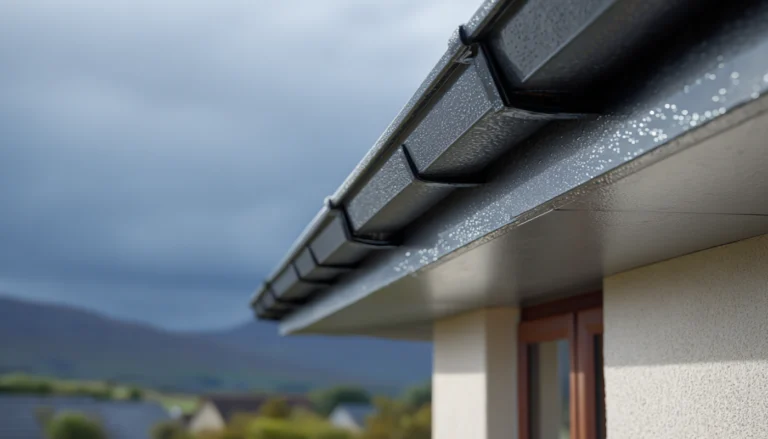
As moss grows larger, pieces break off and fall into the guttering system. Gutters quickly fill with clumps of moss, dirt, and sludge. Heavy rain then causes the gutters to overflow, sending water down the external walls. When this happens repeatedly, the building’s cavity can fill with moisture. Internal damp patches often appear on ceilings and walls directly below blocked guttering. Overflowing gutters also damage fascia boards, soffits, and even window frames.
Downpipe and Drainage Issues
Downpipes become blocked when moss washes through the gutters and gets trapped in the bends or narrow sections. Once blocked, rainwater has nowhere to go. Instead, it spills over the roof edge or backs up into the gutter system. Over time, this increases the pressure on joints, brackets, and seals. When these parts fail, costly repairs become unavoidable.
How Moss Leads to Internal Damp and Structural Problems
The Way Moisture Travels Into the House
Water always finds the easiest path. When moss traps moisture against the roof surface, that water begins to move into unexpected places. It may seep beneath tiles, soak through underfelt, or run along rafters until it reaches the loft. Damp timber absorbs water quickly and loses strength. Once internal roof timbers soften, the structure becomes unstable. This is how moss can turn a simple maintenance issue into a serious structural problem.
The Spread of Mould and Mildew
Damp conditions attract mould spores. Once these take hold in the loft or upper walls, they release airborne particles that spread throughout the house. Mould not only causes property damage but also affects health. Many homeowners only discover the cause when the roof is inspected and the moss issue is found to be the source.
Damage to Wall Cavities and Insulation
When gutters overflow due to moss, walls absorb far more water than usual. Cavities become damp, insulation loses its effectiveness, and internal plaster may bubble or stain. Over time, moisture can reach electrical wires or sockets hidden in the walls. Once this happens, the building becomes unsafe, and repairs become costly.
Is Moss Always a Sign Your Roof Is Failing?
Understanding When Moss Is a Warning
Moss often indicates deeper problems, but not always. On some roofs, a small amount of moss is simply a sign of normal weather exposure. However, when moss spreads across large areas, grows thickly, or causes tiles to lift, it is usually a sign that something needs attention. The key is understanding the difference between mild growth and a serious concern.
When Moss Becomes a Risk to the Home
Moss becomes dangerous when it prevents water from running off the roof, causes tiles to shift, or fills the gutters. It also becomes a problem when the roof covering starts to crumble. In these cases, the moss is not the problem in itself; it is a symptom of underlying roof weakness. Removing the moss is the first step, but resolving the root cause is just as important.
Safe Ways to Remove Moss from a Roof
Why High-Pressure Washing Should Be Avoided
Using high-pressure washing on a roof may seem like a quick fix, but it can strip away protective coatings and damage tiles. Pressure washing often forces water beneath the tiles and into the loft. For many roof types, especially older ones, this method causes more harm than good. It also encourages moss to return quickly by leaving the surface rougher than before.
The Benefits of Manual Moss Removal
A safer approach often involves manual removal, in which moss is gently lifted from the tiles using appropriate tools. This prevents surface damage and reduces the risk of leaks. Once removed, the roof can be treated with a biocide solution. This treatment penetrates deep into the tile’s pores and kills any remaining spores.
Softwashing and Specialist Treatments
Softwashing is one of the best ways to treat moss without damaging the roof. It uses low-pressure cleaning alongside specially formulated products designed to break down organic growth. These solutions continue to work over time, keeping the roof cleaner for longer. Softwashing also helps protect the tiles by removing the root cause of the problem rather than just the visible growth.
Can Moss Ever Return After Removal?
Why Moss Often Comes Back
Even after a full clean, moss may return if the conditions remain right for growth. Roofs shaded by trees or surrounded by damp air are more likely to see regrowth. Older roofs with porous surfaces may also attract moss more easily. This is why many homeowners choose ongoing treatments every few years to prevent new growth.
How to Reduce the Chance of Regrowth
Some steps help slow the return of moss. Cutting back overhanging branches allows more sunlight to reach the roof. Improving ventilation in the loft keeps the roof structure dry. Regular gutter cleaning prevents moisture from staying on the roof edge. For some properties, applying a protective roof coating helps seal the tile surface and limit future moss growth.
The Long-Term Cost of Ignoring Moss
Why Delaying Action Can Be Expensive
Minor moss issues can be dealt with easily when caught early. When ignored, they often lead to tile failure, leaks, rotten timber and widespread internal damp. These repairs can cost far more than a routine roof clean. Homeowners frequently find themselves replacing large sections of the roof simply because moss weakened it beyond repair.
How Moss Affects Property Value
A roof covered in moss makes the whole property look neglected. Estate agents often advise sellers to clean their roofs before marketing their home. Buyers may assume that a mossy roof indicates long-term damage, even if the interior looks fine. A clean roof improves kerb appeal and helps protect the home’s value.
Why Moss Should Never Be Ignored
Moss on a roof may look harmless, but it can cause severe damage if left untreated. The weight of water held within moss, the pressure it places on tiles, the disruption it causes to water flow, and the damp problems it encourages all contribute to roof failure. Understanding whether moss growth on roof tiles is really a problem, why moss builds up on your roof, how roof moss problems develop, and what happens when moss affects your roof structure gives homeowners the knowledge needed to act early. With safe cleaning methods, proper maintenance, and regular inspections, you can protect your roof, reduce repair costs and keep your home dry, stable and secure.